80 Inches Across the Widest Point
Many off-road enthusiasts in Tennessee find themselves scratching their heads when trying to figure out the exact rules for their ATVs and UTVs. It’s not just about having a machine; it’s about understanding how the state officially classifies it, especially when it comes to a seemingly obscure measurement like "80 inches across the widest point." This guide is here to unravel that mystery, explaining why this specific dimension matters so much for titling your beloved off-road vehicle in the Volunteer State and helping you navigate the sometimes-confusing paperwork at the county clerk's office.
Understanding Tennessee's OHV Categories and Dimensions
It's easy to think of your off-road machine simply as an "ATV" or a "side-by-side," but Tennessee's Department of Revenue (TDR) and local county clerks categorize these vehicles far more specifically, and these distinctions have real-world implications for how you title and legally operate them. This isn't just bureaucratic red tape; it's how the state manages everything from titling fees to road access. Ignoring these classifications can lead to confusion, delays, or even fines.
The state doesn't just lump all off-highway vehicles together. Instead, it uses specific criteria, including dimensions and design, to define them. This is crucial because what might look like a minor difference on paper can completely change the administrative process you need to follow. Understanding these initial definitions is the first step toward a smooth titling experience.
The Importance of Width: Class I vs. Class II
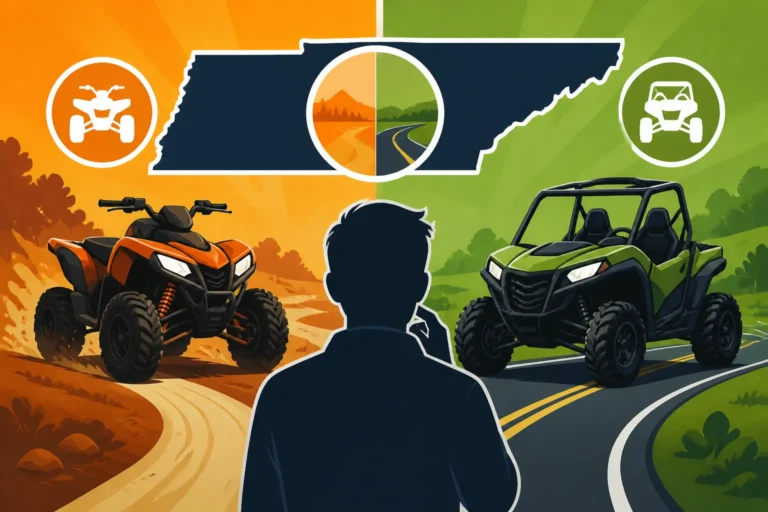
When it comes to off-highway vehicles in Tennessee, the magic number of 80 inches is the dividing line for what the state considers a "Class I" or "Class II" OHV. Most people are familiar with ATVs, which typically fall under [Tennessee's Class I OHV Definition]. These are generally narrower, designed for a single operator or operator and a single passenger, and are under 50 inches in width. Think of your standard four-wheeler that you've been riding for years.
Then there's Class II. These are the beasts of the off-road world – your larger side-by-sides, utility terrain vehicles (UTVs), and even some custom-built buggies. [Tennessee's Class II OHV Definition] specifies that these machines exceed 50 inches in width, or are greater than 2,500 pounds in dry weight, or are designed to carry more than four passengers. The "80 inches across the widest point" measurement specifically comes into play here as a common characteristic of many Class II OHVs, though it’s not the only defining factor for Class II. Often, machines that are wider than 50 inches are well over 60, 70, or even 80 inches, making this a practical marker for the larger machines that fall into Class II.
This distinction isn't just academic; it dictates how your vehicle is processed. A Class I OHV, being smaller, might have slightly different considerations than a massive, 80-inch wide Class II machine, even if both ultimately require a title. The state treats them differently because their operational characteristics, safety considerations, and potential impact on shared resources like trails or roads are different. You’ll find that a lot of the questions your county clerk asks will circle back to these classifications.
What Constitutes the "Widest Point"?
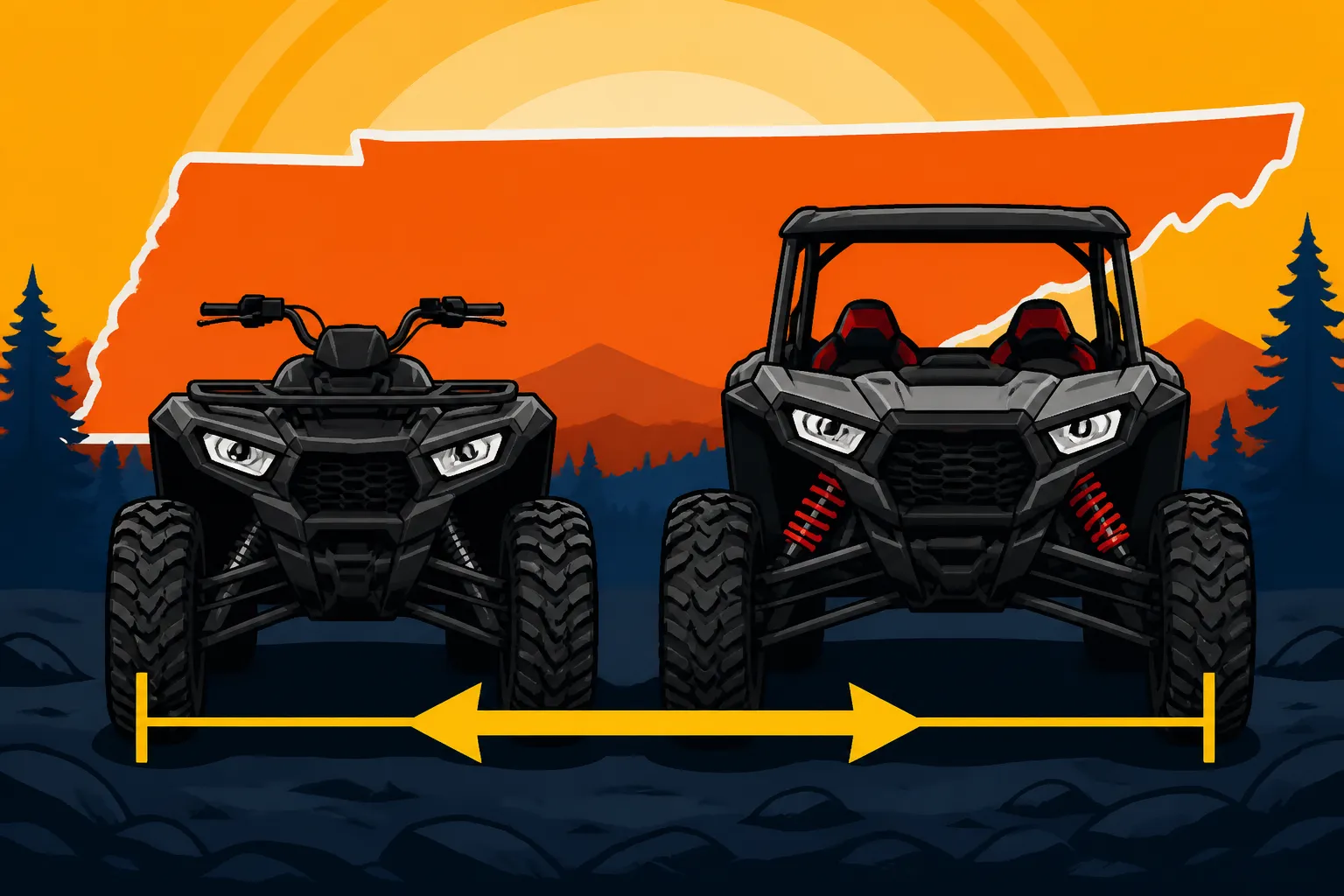
When the Tennessee Department of Revenue refers to "the widest point," they're talking about the maximum horizontal measurement of your vehicle, excluding mirrors. This includes the tires, fenders, and any other fixed parts that protrude furthest from the centerline of the machine. It’s not just the width of the main chassis or the cab; it’s the full footprint of the vehicle from side to side.
Imagine taking a tape measure and stretching it across the widest part of your OHV as it sits on level ground. You'd measure from the outermost edge of one tire to the outermost edge of the opposite tire, or from the tip of one fender to the tip of the other if they extend further. This measurement should be taken carefully, as even an inch or two can push your vehicle into a different classification, potentially affecting your titling process. It's best to use a reliable measuring tape and even get a second person to verify for accuracy.
This detailed measurement helps ensure that the state correctly categorizes your machine. For instance, a high-performance side-by-side with extra-wide suspension or offset wheels might easily exceed the 80-inch mark, even if its base model would have been narrower. This nuance means you can't just assume your UTV is a Class I just because it's a UTV; you really need to measure it to be certain of its [Tennessee's Four Vehicle Categories] classification. Always double-check your machine's actual dimensions against the state's definitions before heading to the county clerk.
Why the 80-Inch Rule Matters for Titling in Tennessee
Understanding that "80 inches across the widest point" often places your machine into the Class II OHV category is more than just trivia; it directly impacts your titling journey in Tennessee. Many folks assume that titling an ATV or a UTV is a one-size-fits-all process, but the state's classification system ensures that vehicles with different characteristics are identified appropriately, which can have subtle but important consequences for you.
When you show up at the county clerk's office, the staff are trained to look at these details. They need to correctly identify your machine's class to ensure all the right paperwork is processed, the correct fees are assessed, and your title accurately reflects your vehicle. If you're bringing in a machine that clearly falls into the larger Class II category, being prepared for that designation will make your experience much smoother.
Titling Differences Based on Class
While the overall goal is always to get a [Titling an OHV in Tennessee], the specific category your vehicle falls into might subtly influence the questions asked or the forms emphasized by the county clerk. For Class II OHVs, especially those that are visibly large or designed for multiple passengers, the clerk might pay closer attention to verifying the vehicle's characteristics to confirm it indeed meets the Class II definition. This could involve looking more closely at the manufacturer's specifications or even asking you directly about the vehicle's passenger capacity or dry weight, in addition to its width.
For instance, the state needs to ensure that larger machines are properly identified, partly because they might eventually have different rules for road access or trail usage in specific areas, even if the primary purpose of the title is proof of ownership. While the base process of presenting proof of ownership, a bill of sale, and identification remains the same, the underlying categorization impacts how the state records your asset. You’ll still pay [What a Tennessee OHV Title Costs] and obtain a [Tennessee's TDR Sticker Explained] as part of the process, but the label on the state's records will be different for a wide Class II machine versus a standard ATV.
Potential Pitfalls of Misclassification
One of the biggest frustrations riders face is getting halfway through a bureaucratic process only to hit a snag due to incorrect information. Misclassifying your OHV, intentionally or accidentally, can lead to problems down the line. If you present a large, wide side-by-side as if it were a standard Class I ATV, the county clerk might catch the discrepancy, which could delay your titling. They might require additional documentation or ask you to clarify the vehicle's specifications before proceeding.
Imagine trying to register a machine that's clearly 75 inches wide but you've mistakenly filled out paperwork suggesting it's under 50 inches. This kind of error might seem minor, but it can trigger flags within the system. You could be asked to revise forms or even return with more accurate information, wasting your precious time. Furthermore, if you ever try to sell your machine or need to prove its specifications for insurance or legal purposes, having an incorrectly classified title could create complications. It's always best to be completely transparent and accurate from the outset. Using resources like LawDepot for a comprehensive [Tennessee OHV Bill of Sale Requirements] can help ensure all the necessary details, including accurate dimensions, are captured correctly for any future transactions.
Navigating the Titling Process with Larger Machines
Titling a larger Class II OHV, especially one that stretches beyond the 80-inch mark, isn't fundamentally different from titling any other off-highway vehicle in Tennessee. However, knowing that your machine falls into this specific category allows you to approach the process with confidence and avoid potential hiccups. The key is to arrive prepared with all the necessary documentation, ensuring that every detail about your vehicle, particularly its dimensions, is clearly and accurately represented.
Many riders, especially those new to Tennessee or those who've just acquired a larger machine, might feel a bit overwhelmed by the paperwork. But rest assured, the process is manageable, and understanding the role of your vehicle's classification will make it even smoother. The county clerk's office, while busy, is there to help you complete this important step.
Paperwork and Verification for Wider OHVs
When you're titling a Class II OHV, especially one that's particularly wide, gather all your standard [Tennessee OHV Title Paperwork]. This typically includes your bill of sale, proof of identity, and any previous title if you're transferring ownership. For new machines, you'll need the Manufacturer's Statement of Origin (MSO). It's incredibly helpful to also bring any manufacturer's specifications or owner's manual that clearly states the vehicle's dimensions, weight, and passenger capacity. This acts as independent verification for the county clerk.
Having these specs on hand can quickly answer any questions the clerk might have about your machine's classification. For instance, if they see a large side-by-side, they might confirm its width or seating capacity to ensure it correctly falls under Class II. Presenting documentation that corroborates your claim that it's over 80 inches wide (if it is) makes their job easier and speeds up your transaction. If you're [Buying a Used OHV in Tennessee] from a private seller, ensure your bill of sale, which you can easily generate using a service like LawDepot, explicitly details the vehicle's characteristics, including its dimensions, to prevent any ambiguity.
What to Expect at the County Clerk's Office
When you visit your local [Titling at a Tennessee County Clerk], you'll typically start by filling out an application for title and registration. Be prepared to accurately describe your vehicle, including its make, model, VIN, and importantly, its dimensions and intended classification (Class I or Class II). The clerk will review your documents, verify your identification, and process your payment for the title and any applicable sales tax.
For wider machines that fall into Class II, the clerk might reiterate the classification or confirm that the documentation supports it. They'll ensure the correct TDR sticker is ordered for your machine, indicating that it has been titled in Tennessee. Remember, [Why a County Clerk Issues the Tennessee Sticker] is to serve as proof that your OHV is officially recognized by the state. Don't be surprised if they take a moment longer to review the specifics of your larger OHV; they're simply doing their due diligence to ensure everything is recorded accurately according to state law. The overall process for a Class II is largely the same as a Class I, but the emphasis on verification might be slightly different.
Beyond Titling: Other Implications of the 80-Inch Rule
While the primary focus of the 80-inch measurement is its role in classifying your OHV for titling purposes, it's also worth noting that this classification can have ripple effects beyond just getting your piece of paper. The state's system of categorizing vehicles, like the Class I and Class II distinction, isn't just for the Department of Revenue; it's often referred to in other state statutes and regulations governing how and where these machines can be operated.
Understanding these broader implications, even if they're not directly part of the titling process itself, helps you be a more informed and responsible rider. It highlights why Tennessee puts so much emphasis on these seemingly technical details, ensuring public safety and resource management across various contexts, from public lands to private transactions.
Road Use and Trail Access Considerations
For many riders, the dream is to take their UTV directly from their driveway to the nearest trail. However, the distinction between Class I and Class II, often tied to measurements like the 80-inch width, can influence where you're legally allowed to ride. While Tennessee has specific rules for road use by OHVs, these rules often differentiate between vehicle types, and a Class II OHV might face different restrictions than a smaller Class I. A large, wide UTV, for example, could be subject to specific limitations on certain county roads or within designated adventure tourism districts.
Similarly, some trails or riding areas might have width restrictions that could impact larger Class II machines. While many popular parks are designed to accommodate a wide range of vehicles, always check the specific rules of a trail system before you go. The "80 inches across the widest point" might mean your machine is too wide for certain narrow trails or gates. This is less about titling directly and more about what your title represents in terms of your vehicle's physical characteristics and how those characteristics interact with existing infrastructure and regulations. For example, if you're looking into [Tennessee OHV Class I Requirements] versus [Tennessee OHV Class II Requirements] for road access, the physical dimensions are often a key factor.
Selling Your Wider Machine in Tennessee
When the time comes to [Selling an OHV in Tennessee] that falls into the Class II category, especially one with a width exceeding 80 inches, having an accurately titled machine is paramount. A clear and correct title makes the transaction much smoother for both you and the buyer. It verifies ownership and accurately reflects the vehicle's classification as recognized by the state. This helps avoid any confusion about what the buyer is purchasing and ensures they can easily title it in their name.
When preparing a bill of sale, consider using a template from a reputable source like LawDepot. Such templates often guide you to include critical details like the vehicle's dimensions, which can be particularly helpful for a Class II OHV. This ensures that the buyer is fully aware of the machine's specifications and that the sale is documented thoroughly. An accurate title and a detailed bill of sale prevent future headaches related to misrepresentation or unclear vehicle classification, protecting both parties in the transaction.
OHV Classifications in Tennessee: A Quick Overview
To help you quickly grasp the key distinctions, here's a table summarizing the main differences between Tennessee's Class I and Class II OHVs, with a particular focus on how dimensions like "80 inches across the widest point" play a role.
| Characteristic | Class I OHV | Class II OHV |
|---|---|---|
| Common Examples | Most ATVs (All-Terrain Vehicles) | Larger UTVs (Utility Terrain Vehicles), Side-by-Sides, Sand Rails |
| Width | Generally under 50 inches wide | Exceeds 50 inches wide (often 60-80+ inches) |
| Weight | Typically 1,000 lbs or less dry weight | Greater than 2,500 lbs dry weight |
| Passenger Cap. | Designed for 1 or 2 passengers | Designed for more than 4 passengers |
| Titling Impact | Standard OHV titling process, clearly identified. | Standard OHV titling, but classification confirms larger vehicle characteristics for state records. |
| Road Use Notes | Subject to specific state and local regulations for road access. | Often subject to similar or more restrictive rules for road access due to size and weight. |
This table provides a snapshot, but remember to always verify your specific vehicle's manufacturer specifications against Tennessee law, as some machines may blur the lines or have unique features.
Disclaimer
This article is for general informational purposes only and does not constitute professional advice. Laws, prices and regulations vary by location and change over time. Consult a qualified professional for guidance on your specific situation.