Where to Keep an OHV Title Between Rides
It's a common scenario: you’ve just had a fantastic weekend riding your ATV or UTV through the gorgeous trails of Windrock or Brimstone, and now you're back home, ready to tuck your machine away. But then it hits you—where exactly did you put that important OHV title? Misplacing this crucial document can lead to a heap of frustration and potential roadblocks down the line, whether you're trying to sell your machine, prove ownership, or deal with any legalities. This guide is here to walk you through the best practices for keeping your Tennessee OHV title safe and sound, and what steps to take if it goes missing.
The Importance of Your Tennessee OHV Title
Your Tennessee OHV title isn't just a piece of paper; it's the legal document that officially proves you own your off-highway vehicle. Without it, you're essentially missing the foundation of your ownership. This becomes incredibly important in various situations, from trying to [Sell an OHV in Tennessee] to establishing legal proof if your machine is ever stolen. Think of it as the deed to your house or the title to your car – without it, significant transactions become complicated, if not impossible. It's the document that the state's Department of Revenue recognizes as the official record of your machine, even if Tennessee doesn't require annual registration for these types of vehicles. You'll need it for things like passing your machine through an estate, securing a loan with your OHV as collateral, or if you ever decide to move out of state and register it elsewhere.
Why the Original Matters
In an age where digital copies reign supreme, it's easy to think a quick photo on your phone or a scanned PDF of your OHV title would suffice. However, when it comes to official transactions in Tennessee, a photocopy, a digital image, or even a notarized copy is simply not good enough. When you go to a [Titling at a Tennessee County Clerk] office to transfer ownership, release a lien, or apply for a duplicate, they almost always require the original physical title. The reason is simple: it prevents fraud and ensures that the chain of ownership remains clear and undisputed. A physical title has unique features and security elements that can be verified, which digital copies often lack. Trying to conduct business with anything less than the original will almost certainly lead to delays and a lot of wasted time and effort.
Common Pitfalls of Misplacement
We've all been there: that sinking feeling in your stomach when you tear apart your office or ransack drawers, desperately searching for a document you know you put "somewhere safe." With an OHV title, this feeling can quickly escalate into genuine panic. Misplacing your title can hold up the sale of your machine, forcing you to delay plans or even lose a potential buyer. Imagine trying to explain to someone who's ready to buy your quad from you that you can't find the title – it instantly casts doubt and makes the buyer hesitant. Furthermore, if your OHV is ever stolen, having easy access to your title is critical for filing accurate police reports and working with insurance companies. Delays in providing proof of ownership can complicate the recovery process. Even something as simple as wanting to use your OHV as collateral for a loan will hit a brick wall without the original title in hand.
Safe Storage Solutions for Your OHV Title
Finding the right place to keep your Tennessee OHV title is all about balancing accessibility with security. You want it secure enough that it won't get lost, damaged, or fall into the wrong hands, but not so secure that you can't find it when you actually need it. The goal is to establish a consistent, dedicated spot where you always know your title resides. This eliminates the frantic searches and ensures you're prepared for any situation that requires your proof of ownership.
Secure Home Storage
The most common and often most convenient place to store your OHV title is right in your home. However, "in your home" doesn't mean just anywhere. Throwing it into a random drawer or a shoebox under the bed is an invitation for it to get lost or damaged. Here are some much better options:
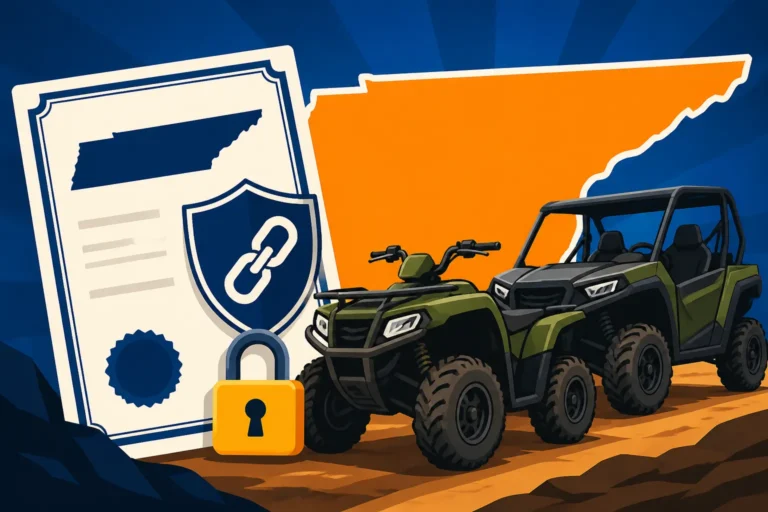
- Fireproof Safe or Box: This is perhaps the gold standard for home document storage. A fireproof safe protects against both fire and water damage, which can be devastating to paper documents. These safes come in various sizes and can be easily tucked away in a closet or bolted to the floor for added security against theft. When you get a new OHV title, make it a habit to immediately place it in this safe alongside other vital documents like your vehicle titles, property deeds, and important personal papers.
- Locked File Cabinet: For a slightly less robust but still secure option, a locked file cabinet can work wonders. Keep it in a secure room, perhaps your home office, and make sure the key is stored separately and safely. Organize your documents with clear labels so you can easily retrieve your [Where to Keep an OHV Title Between Rides] when needed. This method is excellent for keeping it out of casual sight and away from accidental spills or damage.
- Dedicated Document Folder: Even if you don't have a safe or a locked cabinet, creating a specific, well-labeled folder for all your vehicle titles (car, truck, OHV, boat, etc.) and storing it in a consistent, out-of-the-way spot is better than nothing. Choose a high shelf, a rarely used drawer, or even a waterproof document pouch. The key here is consistency. Always put it back in the exact same spot after you've used it.
Off-Site Storage Options
For those who prefer an extra layer of security or simply don't feel comfortable keeping all their vital documents at home, off-site storage is an excellent alternative.
- Bank Safe Deposit Box: This is one of the most secure options available. Bank safe deposit boxes offer superior protection against fire, flood, and theft. Many people choose to keep their most irreplaceable documents here, including birth certificates, property deeds, and, yes, vehicle titles. While it's not as immediately accessible as home storage, the peace of mind knowing your title is in a highly secure, climate-controlled environment is often worth the trip to the bank. Just remember to account for the bank's operating hours when you might need access.
- Trusted Friend or Family Member: While less formal than a bank, if you have a highly trusted individual with their own secure storage (like a home safe), you might consider entrusting your title to them. This works particularly well if you have a shared interest in the OHV, like a family member you often ride with. However, this option requires a very high level of trust and clear communication about access.
Digital Backups (with caveats)
While the original paper title is paramount for official transactions, creating digital backups can be incredibly useful for reference and as a personal record. These aren't replacements, but rather helpful aids.
- Scanned Copies: Scan your OHV title (front and back) and save it as a PDF. Store this file securely on a cloud service (like Google Drive, Dropbox, or iCloud) or an encrypted external hard drive. This can be useful for quickly referencing VIN numbers, title numbers, or other details without needing to retrieve the physical document. If your title is ever lost or stolen, having a digital image can help you provide details for the police report or for when you need to [Replacing a Lost Tennessee OHV Title].
- Photographs: A clear photo taken with your smartphone can serve a similar purpose to a scan. Just ensure the image is high resolution and all text is legible. Again, store this photo securely and consider backing it up to the cloud. Remember, these digital versions are for your convenience and personal record-keeping only; they will not be accepted for official title transfers or lien releases.
What to Do If Your Title is Lost or Damaged
Despite your best efforts, sometimes titles get lost, damaged, or even destroyed. It's a frustrating experience, but it's not the end of the world. Tennessee has a process in place to help you get a replacement. Don't let the thought of bureaucracy deter you; addressing it promptly is key. For example, if you plan on [Buying a Used OHV in Tennessee] or selling your current one, you'll absolutely need that title, so starting the replacement process early is crucial.
The Replacement Process
If you find yourself needing a replacement for your Tennessee OHV title, here's a general overview of the steps you'll likely need to follow:
- Contact Your Local County Clerk's Office: Your journey usually begins at your local [Titling at a Tennessee County Clerk] office. This is the same place where you'd originally title your OHV. They will have the most current information regarding the specific forms and requirements for obtaining a duplicate title. You can usually find their contact information and sometimes even the forms online.
- Complete the Application for Duplicate Title: You'll need to fill out a specific form, often called an "Application for Duplicate Certificate of Title." This form will ask for details about your OHV (VIN, make, model, year) and your personal information as the owner.
- Provide Proof of Identity: You'll need to present valid photo identification, such as a driver's license, to prove you are the rightful owner of the OHV. This is a standard security measure to prevent fraudulent duplicate title applications.
- Pay the Required Fees: There will be a fee associated with obtaining a duplicate title. This fee typically covers the administrative costs of processing your request and issuing a new document. Be prepared to pay this at the time of application. The amount can vary slightly, so it's always best to confirm with the county clerk's office beforehand.
- Submit the Application: Once all forms are completed, identification is verified, and fees are paid, you will submit your application to the county clerk's office. They will process your request, and a new title will be mailed to you. The processing time can vary, but generally, you can expect to receive your duplicate title within a few weeks.
Necessary Paperwork and Fees
When you head to the county clerk's office, be sure to bring all the necessary items to avoid a wasted trip. At a minimum, you'll need:
- Application for Duplicate Certificate of Title: This form will be specific to Tennessee and may be available online or at the clerk's office.
- Photo ID: A valid, government-issued photo ID is essential.
- OHV Information: Have your Vehicle Identification Number (VIN), make, model, and year of your OHV readily available. This information is critical for locating your original title record. If you have any old registration paperwork or insurance documents, these can be helpful.
- Payment for Fees: Be prepared to pay the duplicate title fee. While I can't give you exact numbers, understand that there is a state title fee which is paid to the Tennessee Department of Revenue, and your county clerk may also charge a small processing fee on top of that. If your OHV had a lien that was never officially released, you might also need to address that as part of the process, potentially involving another fee. LawDepot can be a great resource if you need to create other legal documents related to your OHV, such as a bill of sale or power of attorney, which sometimes come into play with complex title situations, but for the duplicate title itself, the county clerk is your direct point of contact.
Having everything in order before you go will make the process much smoother. It's always a good idea to call your specific county clerk's office beforehand to confirm their exact requirements and current fees for a [Replacing a Lost Tennessee OHV Title].
Here's a quick comparison of common title storage methods:
| Storage Method | Pros | Cons | Best For |
|---|---|---|---|
| Fireproof Home Safe | Excellent protection against fire, water, and theft. Immediately accessible. | Initial cost of safe. Can be bulky. Still vulnerable to extreme home damage or loss. | Owners prioritizing maximum home security and quick access. |
| Locked File Cabinet | Organized, secure from casual access, easy to retrieve. | Limited protection against fire/water. Vulnerable to theft if not bolted down. | Owners with a dedicated home office and a need for organized document storage. |
| Bank Safe Deposit Box | Superior protection against most hazards, high security. | Limited access during bank hours. Annual fee. Not immediately accessible. | Owners prioritizing ultimate security and not needing frequent access. |
| Digital Backup | Quick reference for VIN/title numbers, easy to share (unofficially). | Not legally accepted as a replacement for original. Vulnerable to cyber threats. | Complementary to physical storage for quick reference and personal records. |
Remember, a [Photographed Tennessee Title] is useful for your records, but it is no substitute for the official paper document when conducting transactions. Taking these steps to properly secure your OHV title will save you a lot of potential headaches down the line and ensure that your passion for riding the great trails of Tennessee remains hassle-free.
Disclaimer
This article is for general informational purposes only and does not constitute professional advice. Laws, prices and regulations vary by location and change over time. Consult a qualified professional for guidance on your specific situation.