Bringing a Machine From North Carolina to Tennessee
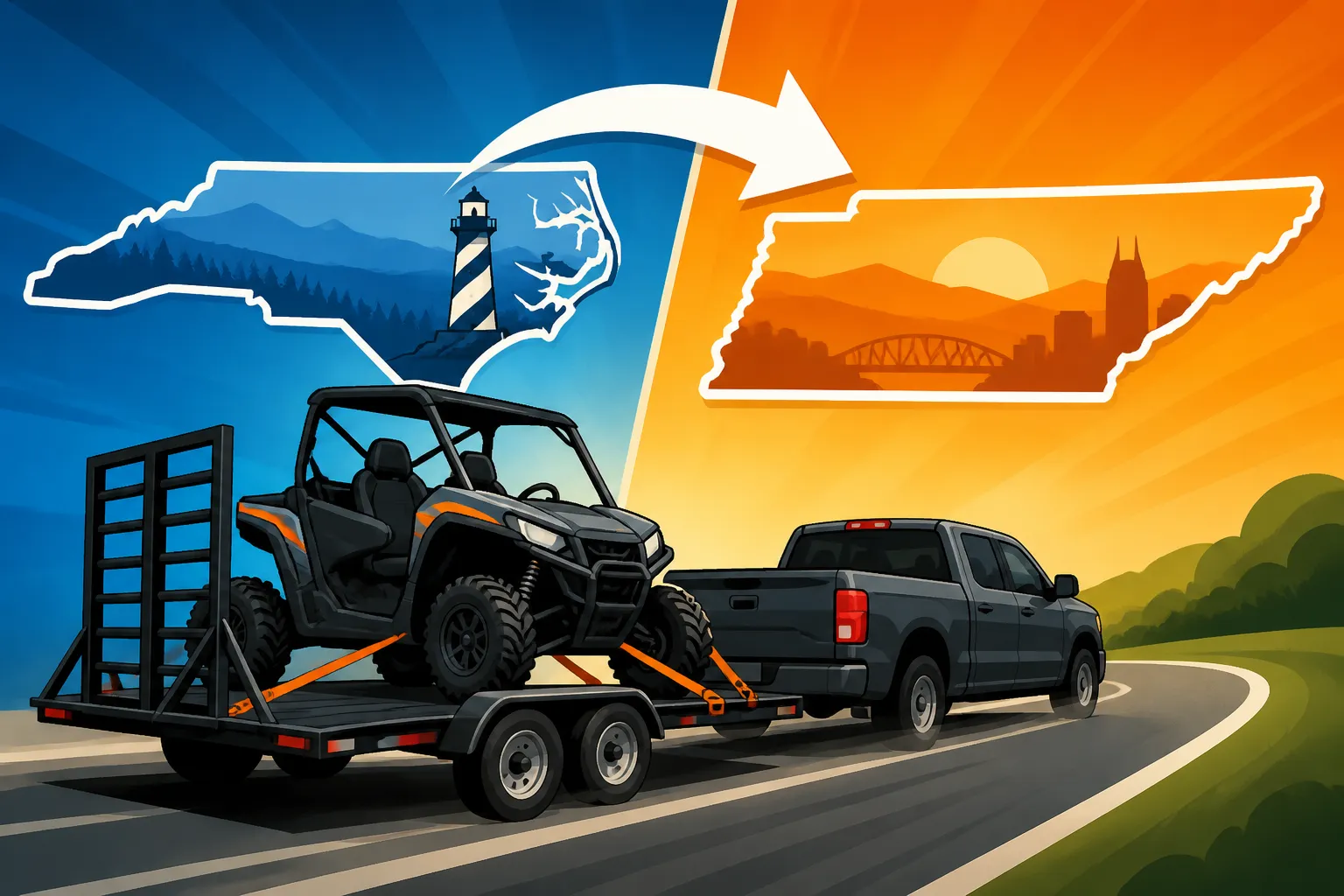
Bringing your beloved ATV or UTV from North Carolina to the rolling hills and challenging trails of Tennessee can feel like navigating a bureaucratic maze, especially when state-to-state rules differ so much. Many riders get frustrated, expecting a simple transfer only to find Tennessee operates on a unique system for off-highway vehicles. This guide will walk you through the precise steps to ensure your machine is properly titled in Tennessee, bypassing common pitfalls and getting you on the trails faster.
Understanding Tennessee's Unique Approach to OHV Ownership
One of the biggest hurdles riders face when moving an ATV or UTV from North Carolina to Tennessee is the fundamental difference in how these machines are recognized by the state. In many states, including North Carolina, there might be some form of registration for off-road use, similar to how you register a car. Tennessee, however, takes a different path entirely.
Tennessee explicitly states that it does not register off-highway vehicles in the same way it does cars, trucks, or motorcycles for road use. This can be a huge relief, as it means no annual tags to renew for off-road purposes. But don't mistake "no registration" for "no paperwork." What Tennessee does require for your ATV or UTV is a title. Think of it like this: your machine needs a clear paper trail to prove ownership, just like any other valuable asset. This title is your ultimate proof of ownership and is crucial for buying, selling, or even claiming your machine if it's ever stolen. You'll want to read more about [Why Tennessee Does Not Register Off-Road Machines] to fully grasp this distinction.
When you successfully title your machine in Tennessee, you'll receive a special sticker known as the [Tennessee's TDR Sticker Explained]. This isn't a registration sticker in the traditional sense; it's a visible confirmation that your ATV or UTV has a valid Tennessee title on file with the Department of Revenue. This sticker is vital because it's what law enforcement or park officials might look for to confirm your machine is properly documented within the state. It also helps categorize your machine under [Tennessee's Four Vehicle Categories], even if it's not being registered for road use.
Gathering Your North Carolina Paperwork for Tennessee Titling
The journey of bringing your machine from the Tar Heel State to the Volunteer State starts with gathering the correct documentation from North Carolina. This is not the time to be vague or assume; having your paperwork in order before you even step foot in a Tennessee county clerk's office will save you immense headaches and potential repeat visits.
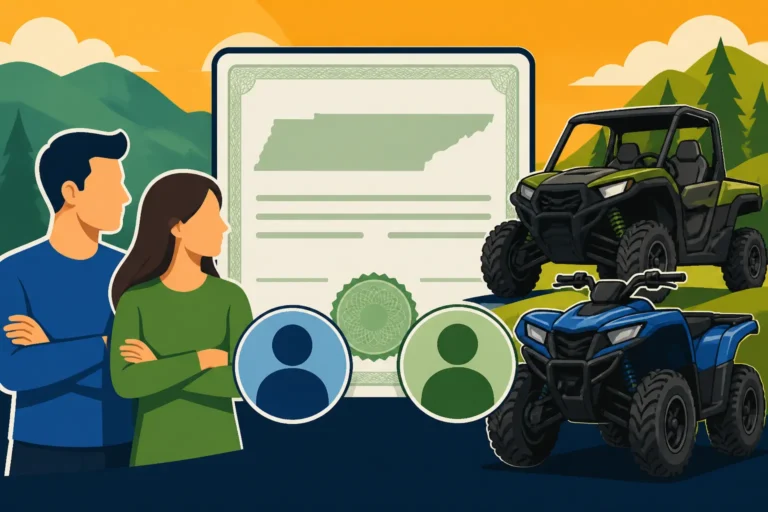
First and foremost, you'll need your original North Carolina Certificate of Title. This is the cornerstone of your transfer. Tennessee's Department of Revenue (TDR) needs to see proof of ownership from the previous state to issue a new Tennessee title. Ensure that the North Carolina title is properly signed over to you, if you recently acquired the machine. If there's a lien recorded on the North Carolina title, you'll need a lien release document from the lender, proving that the loan has been paid off and the machine is free and clear. Without a clear title or a proper lien release, your Tennessee titling process will grind to a halt.
Next, consider your Bill of Sale. Even if you have the North Carolina title, a detailed Bill of Sale is often required, especially if you recently purchased the machine. This document establishes the purchase price, which is critical for calculating potential Tennessee sales tax. A good Bill of Sale should include:
- The full names and addresses of both the buyer and seller.
- A clear description of the ATV or UTV, including make, model, year, and its Vehicle Identification Number (VIN).
- The purchase price.
- The date of sale.
- Signatures of both parties.
You can often find templates online, but ensure they are thorough. A service like LawDepot can provide customizable bill of sale templates that help ensure all necessary information is included. It’s always better to have too much information than not enough when dealing with state agencies. If you're looking for guidance on what exactly to include, consult [Tennessee OHV Bill of Sale Requirements].
Finally, be prepared to show proof of your identity and residency in Tennessee. This usually means a valid Tennessee driver's license or state ID. The county clerk needs to verify who you are and that you are now a resident of Tennessee, which affects where your new title will be mailed and how sales tax might be applied. Make sure all your personal information on your ID matches the name you want on the new title. You should also consider getting a [Tennessee OHV Title Paperwork] checklist from your local county clerk's office before you go.
What if You Don't Have a North Carolina Title?
This is a common scenario, especially with older ATVs or UTVs that might have been purchased informally with just a bill of sale, or in states where titling wasn't always mandatory for off-road vehicles. If you're missing the North Carolina title, the process becomes more complex, but not impossible.
First, you'll need to demonstrate legitimate ownership. If you have an old bill of sale, property tax records, or any other official document linking you to the machine, gather it all. The Tennessee County Clerk's office will need to verify the VIN and may ask for additional documentation to establish a clear chain of ownership. Sometimes, a certified statement from the previous owner (if they can be located) can help. This is where a robust, notarized Bill of Sale becomes even more critical. You might even want to prepare an affidavit of ownership to present your case. Using a platform like LawDepot to generate a formal affidavit can lend credibility to your claim.
In some cases, if no clear title history can be established, you might need to pursue a bonded title. This is a process where you purchase a surety bond for a certain value of the machine, essentially guaranteeing to the state that you are the rightful owner. If anyone else ever comes forward with a legitimate claim, the bond pays them. This is usually a last resort, as it involves additional cost and paperwork. It's always best to contact your specific Tennessee County Clerk's office in advance if you're in this situation, as their requirements can sometimes vary slightly. They can guide you on the exact steps needed when you're [Titling a Machine With No Papers] from another state.
The Step-by-Step Process at Your Tennessee County Clerk's Office
Once you've got all your North Carolina paperwork in pristine order, it's time to head to your local Tennessee County Clerk's office. This is where the magic happens, or at least, where the official transfer of your machine's identity begins. Remember, this isn't a quick stop; plan to spend some time ensuring everything is correct.
Upon arrival, you'll typically be directed to a specific counter for vehicle titling. You'll need to present all your gathered documents: the original North Carolina title, your Bill of Sale, proof of Tennessee residency, and your identification. The clerk will review these documents to ensure they meet Tennessee's requirements. They will scrutinize the VIN on your documents against the VIN on the machine itself (sometimes requiring a physical inspection, or a verification form filled out by law enforcement or a dealership). This is a crucial step to prevent fraud and ensure the correct machine is being titled. It's wise to review [Checking a VIN Before a Tennessee Purchase] even if you already own the machine, just to be prepared.
You will then fill out the Tennessee Application for Certificate of Title and Registration, even though you’re only titling, not registering, for road use. The clerk can assist you with this form, but having all your information ready will expedite the process. This form will ask for details about you and your ATV or UTV, including its make, model, year, and VIN. Double-check all spellings and numbers before submitting.
After reviewing your application and documents, the clerk will calculate the applicable fees. These typically include a state title fee, a county clerk fee, and potentially an [Tennessee's $11 Lien Fee] if you're financing the machine. The big one to watch out for is sales tax, which we'll delve into next. Once all fees are paid, you'll receive a temporary receipt and often your new TDR sticker on the spot. The actual physical Tennessee title document will then be mailed to you, usually within a few weeks. The timeframe can vary, but generally, you can expect [Tennessee OHV Title Processing Time] to be about 4-6 weeks.
It's important to remember that the county clerk's office is your primary point of contact for [Titling an OHV in Tennessee]. They are the local arm of the Tennessee Department of Revenue and are equipped to handle these transactions. Don't go to the DMV, as they primarily handle road-registered vehicles.
What to Expect After Submission
After you've submitted all your paperwork and paid the fees, you'll walk out with a receipt and, usually, your new Tennessee TDR sticker. This sticker signifies that your machine is now recognized as having a valid title in Tennessee. You should affix this sticker to your ATV or UTV in a visible location, often on the frame or fender, as required. Make sure it's placed somewhere secure and easily seen.
The actual paper title document will be mailed to the address you provided on your application. Keep your receipt in a safe place until you receive the physical title. If you don't receive your title within the expected timeframe, you can contact the Tennessee Department of Revenue's Title and Registration Division, providing them with the information from your receipt. This title is a critical document, so treat it like gold. It’s essential for future sales, insurance claims, or proving ownership.
Navigating Sales Tax and Other Fees When Coming from North Carolina
Understanding the financial aspect of bringing your ATV or UTV across state lines is crucial. Beyond the standard titling fees, sales tax is often the biggest cost consideration, and it can be a point of confusion for many new Tennessee residents.
When you title your ATV or UTV in Tennessee, you'll pay the state's title fee, which is usually quite modest. There's also a county clerk fee, which is a small administrative charge collected by the county office for processing your paperwork. You can find detailed breakdowns for [What a Tennessee OHV Title Costs] and the [Tennessee County Clerk OHV Fee] through official state resources or by calling your local county clerk.
The main financial consideration when bringing a machine from North Carolina to Tennessee, especially if it's a recent purchase, is sales tax. Tennessee generally levies its state sales tax on the purchase price of vehicles titled in the state. However, there's often a credit for sales tax paid in another state. Here's how it usually works:
- If you paid North Carolina sales tax recently: Tennessee will typically grant a credit for the sales tax you already paid in North Carolina. If Tennessee's sales tax rate is higher than North Carolina's, you might only owe the difference. For example, if you paid 4.75% sales tax in North Carolina and Tennessee's rate is 7%, you would owe the additional 2.25% on the purchase price. You will need to provide proof of the sales tax paid in North Carolina, usually on your Bill of Sale or a separate sales tax receipt from the NC DMV or dealer. This is a very common scenario when [Buying an Out-of-State Machine for Tennessee].
- If you owned the machine for a long time: If you've owned your ATV or UTV for an extended period in North Carolina (usually 90 days or more, check current TN regulations for exact timeframe), and you're simply moving your existing property, you generally won't owe new sales tax to Tennessee upon titling. The state views this as moving your personal property, not a new sale.
- If you purchased it privately and didn't pay NC sales tax: If you bought the machine from a private party in North Carolina and North Carolina law didn't require you to pay sales tax at the time, then Tennessee will likely assess its full sales tax rate based on the purchase price you declared on your Bill of Sale. This is why having a clear, accurate Bill of Sale is so important. If the declared price seems unusually low, the county clerk might use a fair market value guide to assess the tax.
It's always recommended to call your specific county clerk's office before you go to get an exact estimate of the fees and taxes you'll owe. They can provide the most accurate information based on your particular situation and the current tax rates. Don't forget, if you financed your machine, there will also be a lien recording fee. The sales tax aspect is particularly important and directly impacts your out-of-pocket costs at the counter, so make sure you understand [Tennessee Sales Tax at the Title Counter] thoroughly.
Here’s a general overview of potential costs (always verify with your county clerk for current rates):
| Fee Type | Description | Typical Cost Shape (Approximate) | Notes |
|---|---|---|---|
| State Title Fee | Fee for issuing a new Tennessee Certificate of Title. | Modest flat fee | Standard statewide charge. |
| County Clerk Fee | Administrative fee charged by your local county clerk's office. | Small flat fee | Varies slightly by county, but generally low. |
| Lien Filing Fee | If you have a loan on the machine, this fee records the lien on the title. | Small flat fee | Applies if there's an active lien from your lender. |
| Sales Tax | State sales tax on the purchase price of the machine. | Percentage of purchase price | Credit usually given for NC sales tax paid; otherwise, full TN rate applies. |
| Late Fees | If you delay titling beyond a certain period after purchase. | Variable, can be significant | Avoid these by titling promptly after moving or purchasing. |
Remember, these are descriptions of typical costs; specific amounts change and you should always verify with your local Tennessee County Clerk's office for the most current figures applicable to your situation. Using a service like LawDepot for generating any required bills of sale or affidavits can help ensure your documentation is clear, which in turn helps the clerk accurately assess your taxes and fees.
Disclaimer
This article is for general informational purposes only and does not constitute professional advice. Laws, prices and regulations vary by location and change over time. Consult a qualified professional for guidance on your specific situation.