Buying a Quad Advertised With No TDR Sticker
Seeing an ATV or UTV advertised for sale in Tennessee without that little Tennessee Department of Revenue (TDR) sticker can definitely give you pause. It’s a common scenario, and it’s completely understandable to feel a mix of excitement for a potential deal and worry about what that missing sticker might mean. After all, you want to make a smart purchase without any hidden headaches! This guide is here to clarify exactly what that missing TDR sticker signifies, the potential pitfalls you need to look out for, and how to confidently navigate the purchase and titling process so you can get out and ride with peace of mind.
Deciphering the Missing Tennessee TDR Sticker
It's easy to get confused by all the different decals and paperwork that come with off-road machines. The TDR sticker is one of those small details that carries a lot of weight in Tennessee, and its absence often raises more questions than answers. Let's break down what it really signifies and why it might not be present on a quad you're considering.
What the TDR Sticker Really Means
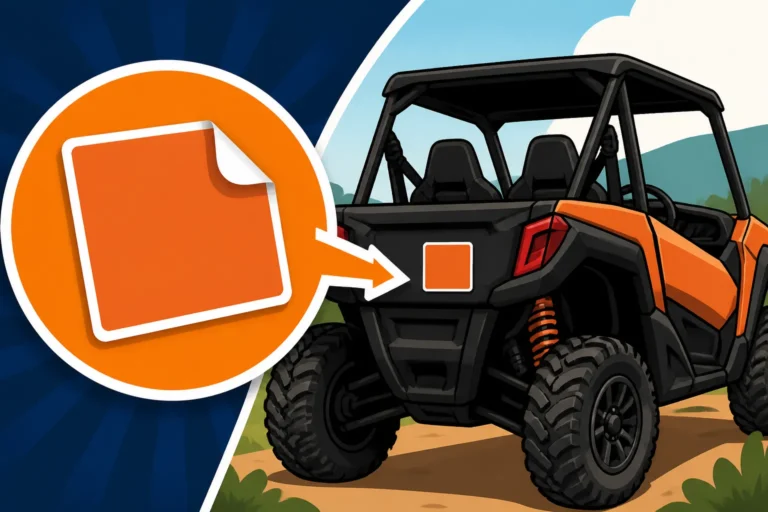
Many folks assume that the TDR sticker is like a registration tag or a license plate, indicating road legality or some sort of annual renewal. However, for off-highway vehicles (OHVs) in Tennessee, that's not quite the case. The TDR sticker isn't about annual renewals or permission to ride on public roads; it's purely about proving that your machine has been properly titled in the state. Think of it as a visible proof that the Certificate of Title for that specific ATV or UTV is on file with the Tennessee Department of Revenue. [A Sticker That Proves a Tennessee Title Exists]
Essentially, if you see a TDR sticker, it tells you that at some point, the titling process was completed through a Tennessee county clerk's office. This is crucial because, unlike some other states, [Why Tennessee Does Not Register Off-Road Machines]. Our state focuses on titling OHVs as proof of ownership, rather than a separate registration process that allows for road use. So, while a sticker confirms a title exists, its absence doesn't automatically mean something nefarious is afoot, but it definitely means you'll need to dig a little deeper.
Common Reasons a Quad Might Not Have a Sticker
It’s totally understandable to feel a pang of worry when you see a listing for a quad without that familiar TDR sticker. But don't let it immediately scare you away from a potentially good deal! There are several completely legitimate and common reasons why an ATV or UTV might not have one. Understanding these can help you approach the seller with informed questions rather than immediate suspicion.
Perhaps it's a brand-new machine that hasn't gone through the initial titling process yet. Dealers sometimes advertise machines before all the paperwork is finalized with the state. Or, it could be a machine recently purchased out-of-state. When someone buys a quad in a neighboring state like Georgia, Alabama, or Kentucky and brings it to Tennessee, they'll need to title it here, and their old state's documentation won't include a Tennessee TDR sticker. [Buying an Out-of-State Machine for Tennessee]
Another common scenario is that the machine was titled in Tennessee, but the sticker simply fell off over time, got damaged, or was purposefully removed by a previous owner who didn't fully understand its significance. Unfortunately, a TDR sticker also becomes void after a sale, so a conscientious seller might have removed it to indicate the machine is ready for a new title. [A Tennessee Sticker Void After a Sale] Lastly, some machines might be very old, predating the more widespread titling requirements, or they could be [Titling a Farm Machine in Tennessee] that has only ever been used on private property and thus never officially titled. In these cases, the seller might not have bothered with titling because they didn't need it for their specific use. It's in these scenarios where diligent inquiry becomes your best friend.
Navigating the Potential Pitfalls and Performing Due Diligence
While a missing TDR sticker can have innocent explanations, it's also a signal to proceed with caution. Without that immediate visual confirmation of a title, you need to be extra vigilant. Performing thorough due diligence before you commit to a purchase can save you a world of trouble down the line.
Warning Signs to Watch For
While a missing TDR sticker isn't always a deal-breaker, it can sometimes be a red flag waving vigorously in the wind. It’s important to recognize these potential warning signs so you can either walk away or demand more information from the seller. The biggest concern, of course, is the possibility of a stolen machine. Without a title or a clear ownership history, you could inadvertently become the owner of someone else's property. This can lead to major legal headaches, the loss of your machine, and financial ruin, as law enforcement will simply recover the stolen property, leaving you without a quad or your money. Always exercise extreme caution here.
Another significant risk involves undisclosed liens. If the seller still owes money on the quad, and there's a lien holder (like a bank or credit union), that lien typically stays with the vehicle, not the person. If you buy it without checking, you could suddenly be responsible for the previous owner's debt, or the machine could be repossessed. Or, perhaps the seller isn't actually the legal owner, but merely has possession of the machine, which means they can't legally transfer ownership to you. This might happen with a family dispute or someone trying to sell a machine they don't have the authority to sell. This is why verifying both ownership and any encumbrances is absolutely paramount.
Your Essential Pre-Purchase Checklist
Before you even think about handing over any cash, you need to become a detective. Your number one tool in this investigation is the Vehicle Identification Number (VIN). This unique 17-character code identifies the specific machine, just like a fingerprint. Find it on the quad – it's usually stamped into the frame or on a metal plate, often near the steering column, front axle, or on the lower frame rail. Once you have it, run a VIN check through a reputable service or even by contacting local law enforcement. This can often reveal if the machine has been reported stolen or has any active liens against it. This simple, free, or low-cost step can save you a world of hurt. [Checking a VIN Before a Tennessee Purchase]
Next, verify the seller's identity. Does their name match the name on any title they do have, even if it's an old one or from another state? Ask to see their driver's license. If they claim to have lost the title, ask them to obtain a duplicate before the sale – a legitimate seller should be willing to do this. And perhaps most importantly, insist on a comprehensive [A Tennessee Bill of Sale for an OHV]. This isn't just a casual receipt; it's a vital legal document that transfers ownership. Resources like LawDepot offer customizable templates for legally sound bills of sale, ensuring all necessary details are included and protecting both parties. Don't skip this step! It should include the full VIN, purchase price, date, and signatures of both buyer and seller.
The Titling Journey: From No Sticker to Your Name
So, you've done your homework, confirmed the machine's history, and you're ready to make the purchase. Now comes the all-important step of getting that ATV or UTV officially in your name. The process will vary slightly depending on whether the seller has an existing title (even without a sticker) or if the machine has never been titled at all.
Titling a Quad with an Existing (But Sticker-less) Title
You've asked the right questions, verified the VIN, and the seller has presented an old Tennessee title that's in their name, or perhaps an out-of-state title. Even if there's no TDR sticker on it, this is a relatively straightforward path to ownership. Your first step will be to head to your local county clerk's office. [Titling at a Tennessee County Clerk] This is the government agency responsible for processing vehicle titles and registrations at the local level.
You'll need to bring several key documents with you. This includes the properly assigned title from the seller (make sure they’ve signed off on it correctly in the designated spots), your completed bill of sale (which you wisely created using a service like LawDepot, right?), and your personal identification. The clerk will process the title transfer, collecting any applicable state title fees, county clerk fees, and sales tax. They'll then issue you a new Tennessee title in your name, complete with a fresh TDR sticker to proudly display. This process for [Tennessee OHV Title Transfer] is designed to be efficient, but having all your paperwork in order beforehand will make it even smoother. It's always a good idea to call your local clerk's office ahead of time to confirm their specific requirements and office hours.
When There's No Title at All: A More Complex Path
This is where things can get a bit more intricate, but not necessarily impossible. If the seller genuinely has no title at all – perhaps it's an antique machine that was never titled, or a farm vehicle that never left private land, or simply a machine that for some reason slipped through the cracks – you're looking at a different process. You won't be able to simply transfer a non-existent title. Instead, you'll need to apply for an "original" title in Tennessee.
This process often involves a VIN inspection by law enforcement (usually your local sheriff's department) to confirm the vehicle isn't stolen and that its VIN matches your documentation. You might also need to provide an affidavit of ownership, explaining in detail how you acquired the machine, along with your comprehensive bill of sale. In some cases, especially for very old machines or those with unclear histories, you might even need to post a surety bond. The exact requirements can vary significantly from county to county, so this is definitely a situation where you need to call your county clerk's office before you finalize the purchase to understand what's required for [How to Title an ATV in Tennessee] when no previous title exists. Tools like LawDepot can assist with drafting affidavits or other legal declarations if needed for this more complex process, ensuring your documentation is robust.
Understanding the Costs Involved
It's important to budget for the costs associated with titling your quad, beyond just the purchase price itself. While I can't give you exact figures (those change over time and can vary slightly by county!), you can generally expect to pay a state title fee, a county clerk fee for their services, and if you're financing your purchase, an additional lien fee. These are standard charges that apply to all vehicle titling in Tennessee. [What a Tennessee OHV Title Costs]
On top of these fees, you'll also be responsible for paying Tennessee sales tax on the purchase price of the machine, unless a specific exemption applies (which is rare for private OHV sales). This sales tax is typically collected at the county clerk's office when you title the vehicle. [Tennessee Sales Tax at the Title Counter] Always factor these into your overall purchase cost so there are no unwelcome surprises at the counter. Being prepared financially will make the entire process much smoother. Here's a general overview of the types of fees you'll encounter:
| Fee Type | Description | Where it Goes |
|---|---|---|
| State Title Fee | Charged by the state for issuing the official certificate of title. | Tennessee Department of Revenue |
| County Clerk Fee | The local office's charge for processing your paperwork and services. | Local County Government |
| Lien Recording Fee | If you have a loan, this fee records the lienholder's interest on the title. | Tennessee Department of Revenue (via County) |
| Sales Tax | Percentage of the purchase price, collected at titling (unless exempt). | Tennessee Department of Revenue (State & Local) |
Securing Your Purchase and Getting Ready to Ride
Once you've navigated the complexities of buying a quad without a TDR sticker and completed the titling process, you're almost ready for the trails! However, a few final steps can help secure your investment and ensure you're fully prepared for safe and legal riding in Tennessee.
The Power of a Well-Drafted Bill of Sale
I cannot stress this enough: a comprehensive bill of sale is your absolute best friend when buying any vehicle, especially one without an immediate, clear titling history. It's more than just a receipt; it's a legally binding contract that clearly establishes the transfer of ownership and protects both you, the buyer, and the seller. It should explicitly state the date of sale, the purchase price, the full legal names and addresses of both parties, a detailed description of the ATV/UTV (including its make, model, year, and crucially, the full VIN), and explicitly state that the vehicle is being sold "as-is" or specify any warranties (though "as-is" is common for private sales).
Having a well-documented bill of sale helps prevent future disputes, confirms the terms of the sale, and is absolutely essential for the titling process, particularly if you're navigating the no-title-at-all scenario. Many people find it incredibly helpful to use pre-made, customizable legal templates from reputable sources rather than trying to write one from scratch. Again, services like LawDepot can provide robust, legally sound bill of sale templates that cover all the necessary legal ground, giving you significant peace of mind that your purchase is properly documented.
Beyond the Purchase: Your Next Steps
Once you've made the purchase and secured your ironclad bill of sale, don't delay! Your immediate next step is to get that quad titled in your name and obtain your own TDR sticker. Waiting can only lead to complications down the road, and you want to be sure you are the legal owner as soon as possible. If you encounter any unexpected issues during the titling process, don't hesitate to revisit your county clerk's office for further guidance or even consult with a legal professional if things get truly complicated.
Beyond titling, remember that owning an ATV or UTV comes with other responsibilities. Consider securing appropriate insurance for your machine, especially if you plan to ride it off private property or use it on any designated public roads where insurance might be required. If you're new to riding, or have young riders in your family, look into local ATV safety courses – they're invaluable for teaching safe operating practices. And, of course, if you're planning to hit the fantastic public trails Tennessee has to offer, remember you'll need the appropriate trail permits, as our state's WMA and private parks require them. [Tennessee Trail Permits Explained] Getting all your ducks in a row ensures you can enjoy your new quad safely and legally for years to come.
Disclaimer
This article is for general informational purposes only and does not constitute professional advice. Laws, prices and regulations vary by location and change over time. Consult a qualified professional for guidance on your specific situation.