Tennessee OHV Class I Requirements
Trying to figure out where your beloved ATV or side-by-side fits into Tennessee's labyrinthine vehicle classifications can feel like deciphering ancient hieroglyphs, especially when all you want to do is get it titled and out on the trails. Many riders face the frustrating reality that what's common sense for an off-road machine doesn't always translate directly into government categories. This guide is here to untangle the specifics of Tennessee's Class I Off-Highway Vehicle (OHV) requirements, so you know exactly what your machine is, what it needs, and what you can do with it.
What Exactly Defines a Tennessee Class I OHV?
When the state of Tennessee talks about an "Off-Highway Vehicle" (OHV), they're not just throwing around a general term for anything that goes off-road. They've created specific classifications, and understanding these is crucial for proper titling and knowing where you can legally ride. Class I is the most common designation you'll encounter, encompassing a vast majority of the ATVs and UTVs that folks in the Volunteer State own and enjoy. It's designed to capture the essence of what most people picture when they think of a traditional recreational off-road machine.
The key to understanding a Class I OHV lies in a few distinct characteristics related to its physical dimensions, its intended purpose, and how many people it's designed to carry. These aren't arbitrary rules; they're in place to help differentiate these machines from larger, heavier equipment or more specialized vehicles, which often fall under a different set of regulations. Getting this classification right from the start can save you a whole lot of headaches down the road, especially when you're trying to navigate the titling process or figure out where you're allowed to go.
The Weight and Width Rule
One of the most defining characteristics of a Tennessee Class I OHV revolves around its physical dimensions. Specifically, the law looks at two main factors: its unladen (empty) weight and its overall width. To qualify as a Class I OHV, your machine must weigh 2,500 pounds or less, and it must be 80 inches or less in overall width. This combination helps to distinguish these lighter, more agile recreational vehicles from larger utility machines or more customized builds that might exceed these limits. Think about your typical four-wheeler or a compact side-by-side; they generally fit comfortably within these parameters.
This weight and width restriction is critical because it directly influences how your vehicle is treated by the state. For instance, a wider, heavier machine might find itself classified as a [Tennessee's Class II OHV Definition], which comes with its own unique set of rules and limitations, particularly regarding road access. Imagine you've just bought a used UTV from out of state, thrilled with its massive tires and beefy suspension. If it turns out to be 85 inches wide, it immediately falls out of Class I territory, even if it looks like what you'd typically call a side-by-side. This might mean unexpected hurdles when you go to the [Titling at a Tennessee County Clerk]. It's always a good idea to measure your machine before you make any assumptions about its classification, especially if you're dealing with a custom build or an older model.
Seating Capacity and Design Purpose
Beyond just weight and width, the state also looks at how many passengers an OHV is designed to carry and its primary purpose. A Tennessee Class I OHV is specifically designed by the manufacturer for off-road use, typically with a steering wheel or handlebars, and it generally accommodates up to four passengers. This is a crucial distinction, as it helps separate recreational machines from, say, a golf cart or a specialized agricultural vehicle, which might have different design criteria and intended uses. The "designed by the manufacturer" part is important; simply adding seats to a two-seater doesn't magically make it a four-passenger Class I OHV in the eyes of the law.
Most modern ATVs are single-rider or two-up (driver plus one passenger) models, while side-by-sides often come in two-seater or four-seater configurations. Both of these typically align perfectly with the Class I definition as long as they meet the weight and width requirements. For example, a sleek Polaris RZR XP 1000, designed for two or four occupants and built for aggressive trail riding, will almost certainly be a Class I. But if you have a custom-built dune buggy with seating for six, even if it's light and narrow, it might face classification challenges because it exceeds the passenger capacity for a Class I machine, pushing it into other categories or even making it unclassifiable as a standard OHV. Always check the manufacturer's specifications for seating to ensure it aligns with Tennessee's definition.
Why Does Class I Designation Matter for You?
Understanding your OHV's classification as a Class I machine isn't just about satisfying bureaucratic requirements; it has tangible, real-world implications for how you own, operate, and enjoy your vehicle in Tennessee. This classification dictates everything from the type of title you'll receive to whether you can even contemplate taking it on certain public roads. Ignoring these details can lead to unexpected fines, legal trouble, or simply an inability to use your machine as you intended.
The state doesn't just create these categories for fun; they're a fundamental part of the regulatory framework designed to ensure safety, manage traffic, and properly account for off-highway vehicles within its borders. Without this clear distinction, it would be a free-for-all, making it impossible to enforce rules specific to the various types of machines out there. For you, the rider, it means that knowing your class is the first step in responsible and hassle-free OHV ownership in Tennessee.
Titling and TDR Sticker Implications
Perhaps the most immediate and significant impact of your OHV being classified as a Class I machine is how it affects the titling process. In Tennessee, all Class I OHVs are required to be titled through the Department of Revenue (TDR). This isn't optional; it's a mandatory step for legal ownership, much like titling a car or truck. When you go to your local county clerk's office, you'll be submitting paperwork to get this [Titling an OHV in Tennessee]. The clerk will process the title application, which includes assessing [Tennessee Sales Tax at the Title Counter] and various fees.
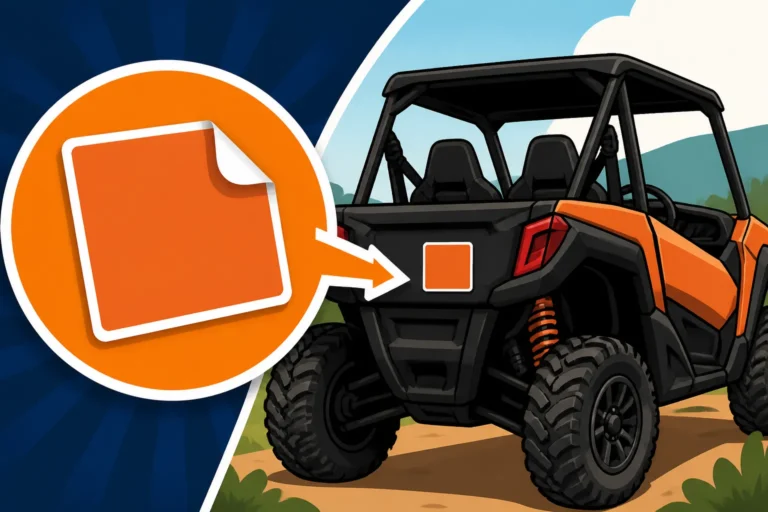
Once your Class I OHV is properly titled, you'll receive a special [Tennessee's TDR Sticker Explained]. This sticker isn't a registration like a car tag; instead, it serves as visible proof that your machine has been legally titled in the state. This sticker is vital for showing proof of ownership and compliance, especially if you're ever stopped by law enforcement or need to sell your machine. Remember, this sticker is unique: it's tied to the title and the specific vehicle, and it cannot be renewed or transferred. [Why the Tennessee Sticker Cannot Be Renewed] means every new owner of a titled OHV in Tennessee will need to obtain their own sticker after successfully transferring the title into their name. For preparing the necessary documentation, like a bill of sale, services like LawDepot can be invaluable for generating legally sound forms.
Road Use Restrictions and Opportunities
The Class I designation also heavily influences where you can and cannot ride your OHV, particularly concerning public roads. Generally speaking, Class I OHVs are not considered "street legal" in Tennessee. This means you can't just hop on your ATV and cruise down the highway to the grocery store. This is a common point of confusion and frustration for many riders, especially those new to the state or coming from areas with different regulations. The primary purpose of a Class I OHV, as defined, is off-road recreational use, and the state's laws reflect that intent.
However, the landscape of road use for OHVs in Tennessee has seen some changes, particularly in specific "Adventure Tourism Districts" in certain counties. Even in these areas, Class I machines have very specific rules regarding road access, such as speed limits, daylight-only operation, and designated roads. For example, you might find some counties allowing [Tennessee Rules for Riding a County Road] on unpaved roads after a two-thirds vote by the county commission, but these are exceptions, not the rule. It's crucial to understand [Why Your Class Decides Your Road Rights] and to always check local ordinances in the specific county you plan to ride in. Attempting to use a Class I OHV on an undesignated road can result in fines or even having your machine impounded.
Here's a quick overview of how Class I OHVs fit into Tennessee's broader vehicle categories:
| Characteristic | Tennessee Class I OHV | Tennessee Class II OHV | Low Speed Vehicle (LSV) | Medium Speed Vehicle (MSV) |
|---|---|---|---|---|
| Unladen Weight | 2,500 pounds or less | Over 2,500 pounds | Not specified, but light | Not specified, but heavier |
| Overall Width | 80 inches or less | Over 80 inches | Not specified | Not specified |
| Seating Capacity | Up to 4 passengers | Not specified, but often more | Up to 4 passengers | Up to 6 passengers |
| Primary Use | Off-road recreation | Off-road utility/specialized | Short-distance road travel | Local road travel |
| Steering Type | Handlebars or Steering Wheel | Steering Wheel | Steering Wheel | Steering Wheel |
| Titling Req. | Yes, state title & TDR sticker | Yes, state title & TDR sticker | Yes, state title & tag | Yes, state title & tag |
| Road Use | Limited, specific areas | Limited, specific areas | Restricted, low speed roads | Restricted, medium speed roads |
This table clearly illustrates why knowing your OHV's class is so important; it defines its legal standing and operational boundaries within Tennessee.
Navigating the Specifics of Class I Ownership
Once you've confirmed your machine is a Tennessee Class I OHV, the next step is ensuring you're fully compliant with all the associated requirements. This isn't just about avoiding trouble; it's about establishing clear ownership, facilitating future sales, and understanding your rights and responsibilities as an OHV owner. The process, while straightforward, demands attention to detail and the right paperwork.
Many owners find themselves scratching their heads over what seems like endless forms or what constitutes proper documentation. This section aims to clear up those common points of confusion, helping you move confidently from purchasing your Class I OHV to riding it legally and safely on designated trails and private lands across Tennessee. Being prepared means less time waiting in line and more time enjoying the trails.
Paperwork and Documentation for Class I
When it comes to proving ownership and getting your Class I OHV legally recognized in Tennessee, proper documentation is king. You'll need to present a valid Manufacturer's Certificate of Origin (MCO) or the previous owner's properly assigned title to your county clerk. If you're [Buying a Used OHV in Tennessee] from a private seller, ensure they've correctly filled out their portion of the title, releasing their ownership to you. For new machines, the MCO is your starting point. You'll also need a bill of sale, even if it's just a simple handwritten one, though using a template from a service like LawDepot can add an extra layer of professionalism and clarity.
The county clerk's office will also require proof of your identity, typically a valid driver's license. Be prepared to pay the [Tennessee OHV Title Cost], which includes state title fees, a county clerk fee, and potentially an [Tennessee's $11 Lien Fee] if you're financing your purchase. This entire process is how you establish a clean chain of ownership and officially get your machine into the state's system. Without the correct paperwork, you could face delays, additional fees, or even an inability to title your OHV, leaving you with a machine you can't legally prove you own.
Common Misconceptions About Class I OHVs
There are several persistent myths and misunderstandings surrounding Class I OHVs in Tennessee that can lead riders astray. One of the biggest is the belief that because you have a "sticker," your OHV is "registered" like a car. This isn't true; the [What the TDR Sticker on Your Title Means] is proof of title, not registration for road use. [Does Tennessee Register ATVs?] The short answer is no; they only title them. This distinction is vital because it underscores why your Class I OHV isn't generally permitted on public roads.
Another common misconception is that all side-by-sides are automatically Class I. While many are, larger or wider models can easily cross the 80-inch width threshold, pushing them into [Tennessee's Class II OHV Definition] territory, which has different implications. Similarly, some riders assume that if they have an antique or custom-built machine, the rules might be different. While unique cases exist, the core weight and width parameters for Class I usually still apply. If you're uncertain about your machine's exact classification, especially if it's a unique build or an import, it's always best to contact your local county clerk's office or the Tennessee Department of Revenue directly for clarification. They can provide definitive answers based on your specific machine's characteristics.
Disclaimer
This article is for general informational purposes only and does not constitute professional advice. Laws, prices and regulations vary by location and change over time. Consult a qualified professional for guidance on your specific situation.